


Much of Zambia’s economic output from mining is generated from copper mining and gemstone development. However, since 2004, formalized large-scale gold production has grown considerably. As a result, a nascent artisanal and small-scale gold mining (ASGM) sector is slowly developing in the country.
The ASGM workforce in Zambia consists of an estimated 30,000 to 87,000 miners, predominantly men, although women and children are also involved in various capacities. While men typically handle extraction and gold recovery, women contribute significantly through tasks like ore crushing and panning and supplying food, equipment, and other services. The largely informal nature of ASGM has limited miners' access to financial tools, training, and modern technology, often leaving them reliant on traditional and less efficient methods.
Efforts to formalize the ASGM sector in Zambia are ongoing, as only a small fraction—about 2%—of mining operations are currently formalized under national regulations. High licensing costs, administrative barriers, and overlapping ASGM activities with existing large-scale mining claims have hindered wider formalization. To address these issues, the Zambian government is working to establish designated ASGM zones, encourage the formation of cooperatives, and simplify the licensing process to make formalization more accessible and appealing to small-scale miners.
A key environmental and health concern in Zambia’s ASGM sector is using mercury for gold extraction. Mercury’s efficiency in gold recovery has made it a common choice despite its well-known risks to human health and ecosystems. Committed to addressing this issue, Zambia ratified the Minamata Convention on Mercury in 2016, pledging to minimize and, where feasible, eliminate mercury use in ASGM. The country’s National Action Plan (NAP) sets clear targets, such as a 25% reduction in mercury-based techniques by 2030 and a substantial increase in formalized small-scale mining operations. These goals are part of a broader strategy to foster a safer, more responsible, and economically beneficial ASGM sector for Zambia.
Key Figures from Zambia
-
25% of ASGM sector’s Hg use
to be eliminated by 2030 -
60% of mining workers are small-scale miners
-
2% of ASGM operations are formalized
-
18% of the ASGM workforce are women
Zambia's Approach
The planetGOLD Zambia project's core objective is to reduce mercury use in the country's ASGM sector through a holistic, integrated approach emphasizing formalization, increased access to finance, and adoption of responsible, mercury-free technologies. Additionally, the project includes educational outreach on mercury’s health and environmental impacts and on environmental monitoring and management. The project aims to establish traceable gold supply chains while promoting safer and more environmentally friendly practices within the sector.
The end project target is to reduce 1.14 metric tons of mercury. Approximately 4,340 miners in the Chongwe and Rufunsa Districts will benefit directly from the project, 18% of whom will be women. An additional 6,920 individuals (43% women) will benefit from awareness raising activities.
Key Strategies

Optimize formalization of | 
Promote financial inclusion and |

Train national ASGM specialists on mercury-free technologies and other best practices | 
Educate, raise awareness, and transfer knowledge to the global ASGM community |
Project News
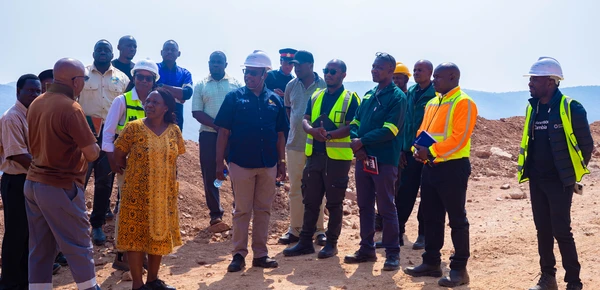
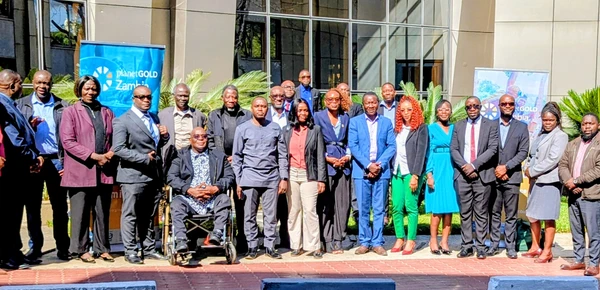
Resources
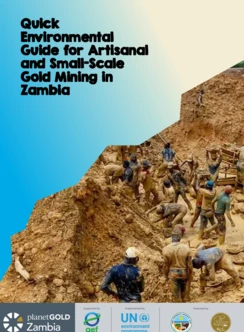
Quick Environmental Guide for Artisanal and Small-Scale Gold Mining in Zambia
Zambia Environmental Management Agency and The planetGOLD Zambia Project English
Knowledge areas:
Countries:
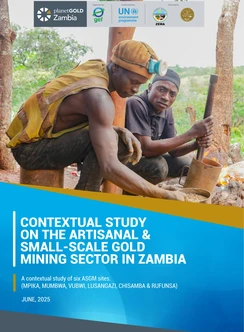
Contextual Study on The Artisanal and Small-Scale Gold Mining Sector in Zambia
planetGOLD Zambia English
Knowledge areas:
Countries:
Other planetGOLD countries
planetGOLD project sites in Zambia